
Claim Guide · Impact Damage
A vehicle hitting your home, a tree coming down on the roof, or a boundary wall flattened overnight is frightening, and the questions come fast. Is the house safe? Who pays? What if the driver was not you, or the tree was not yours? This guide explains what impact damage means in home insurance, what your policy may cover, what to do in the first hours and days, and why these claims can become disputed, written for homeowners across the UK, with particular detail for Northern Ireland and Scotland.
Safety comes first, always. If there is any risk of collapse, or gas, electricity or water services have been struck, keep everyone clear of the damaged area and call the emergency services before you think about insurance.
What this guide helps you do
- Understand what impact damage means in a home insurance policy, and how it differs from accidental damage
- Take the right steps immediately after a vehicle strike, fallen tree or other impact, for your safety and for your claim
- Know who pays when another party caused the damage, such as a driver, a neighbour or a contractor
- Recognise the risk of hidden structural damage, and how engineer reports fit into a claim
- Understand the common reasons impact damage claims are reduced or disputed, and what happens through to settlement
What is impact damage in home insurance?
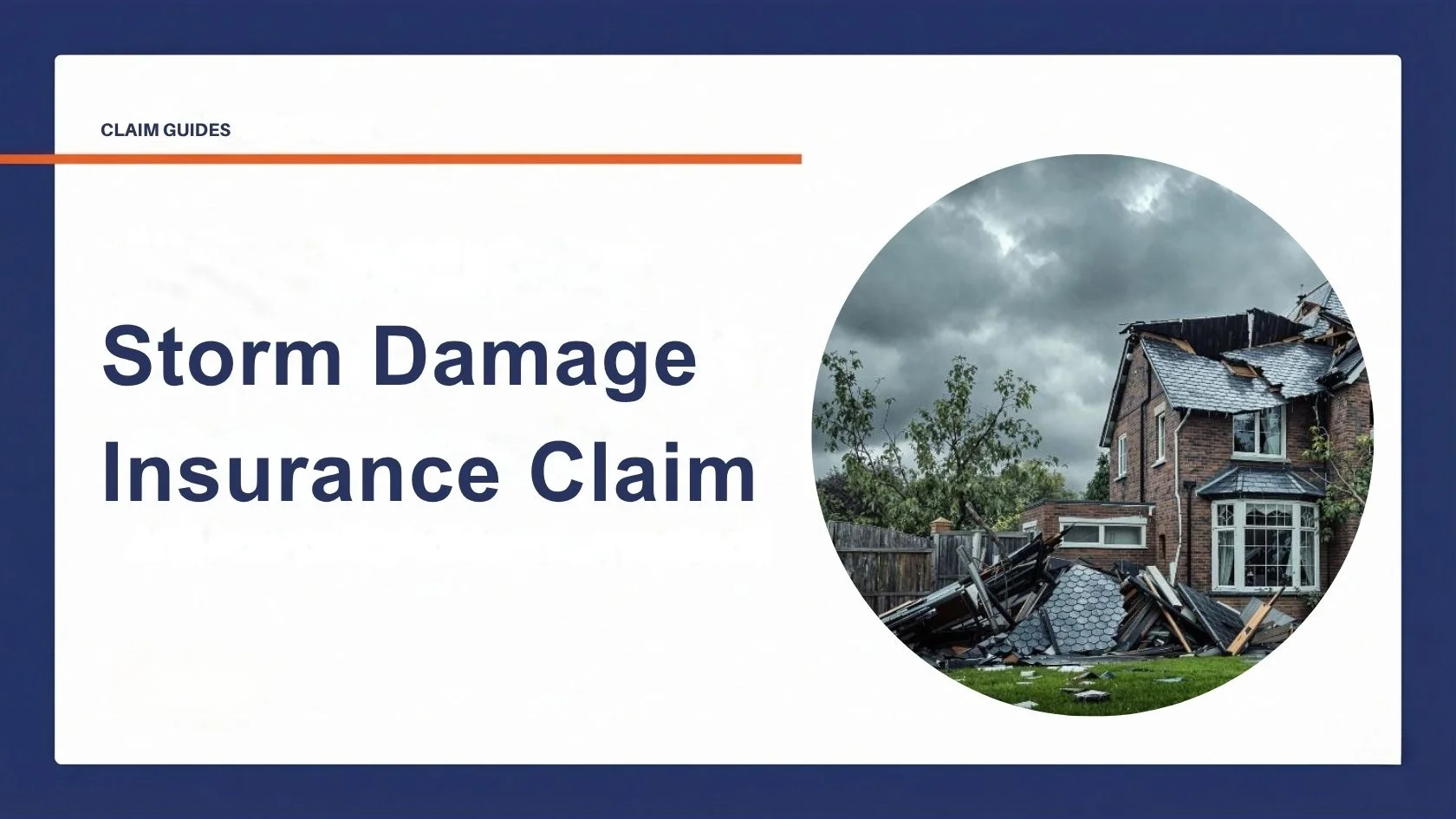
Impact damage is physical damage to your property caused by something striking it from outside. Most UK buildings insurance policies list impact as a standard insured peril, typically covering damage caused by vehicles, fallen trees and branches, falling objects, and sometimes animals where the wording includes it.
Impact damage is different from accidental damage. Impact is usually a standard peril covering things that strike the property from outside; accidental damage is often an optional extension covering one-off mishaps inside the home. Exactly what is covered, and any exclusions or conditions, depends on your specific policy wording.
Buildings insurance typically covers the structure: walls, roof, windows, and permanent fixtures. Garages, outbuildings, boundary walls, gates and fences are commonly included too, though often with their own limits or exclusions. Contents insurance covers your possessions if they were damaged in the same event.
First steps after impact damage
- Make sure everyone is safe. If a vehicle has struck the building, a large tree has come down on it, or there is any doubt about the structure, keep people away from the damaged area.
- If a vehicle was involved, get the driver details. Name, registration, insurer and contact details, exactly as you would after a road collision.
- Photograph everything before anything is moved. Wide shots showing the vehicle, tree or object in position, close-ups of the damage, and the surrounding area.
- Take reasonable steps to prevent further damage, and keep the receipts. Emergency making-safe works are commonly claimable, but photograph the damage first.
- Do not rush to clear debris. Where it is safe to leave things in place, waiting until the damage has been photographed thoroughly protects your claim.
- Notify your insurer promptly. Ask what they need from you next, and ask about alternative accommodation if your home is not safe to stay in.
Thinking about making an impact damage claim? Speak to PCLA first.
A short call costs nothing and does not commit you to anything.
Key facts homeowners should know first
Impact is a standard insured peril on most UK buildings policies, but the detail, especially for boundary walls, fences, gates and outbuildings, depends on your specific policy wording.
You claim on your own policy even when someone else caused the damage. Your insurer may then recover its outlay from the responsible party insurer.
Impact damage is not always only what you can see. A significant strike can cause movement, cracking or displacement beyond the visible damage.
Emergency works and alternative accommodation are commonly covered, subject to your policy terms, and both are easier to claim when the damage was documented before work started.
Start here if…
When a vehicle hits your home or boundary wall
Vehicle impact is the most common impact scenario, and it ranges from a clipped gatepost to a car or lorry inside your living room.
Claim on your own buildings insurance first. Even where the driver is clearly at fault, the usual route is to claim under your own policy so repairs can start, while your insurer pursues the driver motor insurer to recover its costs. If recovery succeeds, your excess is often refunded and your no-claims position may be protected, but this depends on the outcome and on your insurer approach.
If the driver is uninsured or untraced, your own policy still normally responds to the impact peril. Report the incident to the police and keep the reference number.
Boundary walls, gates, fences, garages and outbuildings are commonly covered under buildings insurance, but often with their own conditions. Check your schedule rather than assuming the same cover applies as for the house itself.
Fallen trees and branches
Damage caused by a falling tree or branch is normally covered under the impact or storm perils of a buildings policy, whether the tree stood on your land, a neighbour land, or public ground.
Removal costs: where a tree has damaged an insured structure, policies commonly cover removing the part of the tree that is on or against the building as part of the repair. Removal of a fallen tree that damaged nothing is often not covered.
A neighbour tree: you would normally claim on your own policy. Whether your insurer seeks recovery from the neighbour generally depends on whether the tree was known to be dangerous, which is a question of evidence.
After the event: photograph the tree where it fell, including its root plate or the point of failure if visible, before it is cut up.
Hidden structural damage and engineer reports
A serious impact transfers force through the building, and the damage is not always confined to the point of contact. Cracking to walls away from the strike, doors and windows that no longer sit square, roof movement after a tree strike, or displaced lintels above the damaged area can all indicate the impact has affected the structure more widely.
Insurers commonly instruct a structural engineer or surveyor where an impact raises questions about stability, and their findings shape the repair scope. Where safety is in doubt, building control may also be involved, and in serious cases a property can be declared temporarily uninhabitable.
The engineer report drives the scope of works. If the report is thorough, the repair scope tends to reflect the true extent of the damage. If the inspection was brief or the report narrow, damage can be missed, and the repair scope with it.
You are not obliged to accept a scope you believe is incomplete. If repairs are proposed that treat structural symptoms as cosmetic, you can query the reasoning, provide further evidence, and ask for the scope to be reviewed.
Who does what: insurer, loss adjuster, loss assessor
For larger impact claims, your insurer may appoint a loss adjuster to inspect the damage and assess the claim. The loss adjuster is appointed and paid by the insurer, and reports to them.
A loss assessor, such as PCLA, is appointed by you and acts for you: inspecting the damage, gathering the evidence, working with the engineering findings, preparing the claim, and negotiating the settlement on your behalf. Our guide to loss assessor versus loss adjuster versus broker explains this in more detail.
Common reasons impact damage claims are disputed
1. Repair scope treated as cosmetic. Visible damage is patched, but cracking or movement the homeowner believes is structural is classed as superficial.
2. Disagreement over the cause. Insurers may attribute cracking to pre-existing movement or settlement rather than the impact.
3. Boundary structures and outbuildings. Walls, fences and gates are frequent gaps between what a homeowner assumed and what the policy schedule actually says.
4. Emergency works disputes. Where making-safe work was done before the insurer inspected, and was not documented, insurers can query its necessity or cost.
5. Later-discovered damage. Damage that surfaces after the claim was settled is harder, though not impossible, to bring back into scope.
6. Delays and low offers. Complex impact claims involve engineers, contractors and sometimes a third party insurer, and can drift. A settlement offer is not final until you accept it.
Should I accept the insurer settlement offer?
You do not have to accept an offer immediately. You can ask how the figure was reached, query anything that looks light against the visible damage and the engineering findings, and take independent advice before agreeing. On impact claims in particular, be satisfied that the scope reflects any structural findings, not just the surface repairs, before you sign anything.
What happens during an impact damage claim
- Making safe. Emergency works to secure the property, documented and receipted.
- Notification. You report the damage to your insurer, with police or driver details where a vehicle was involved.
- Inspection. The insurer, often through a loss adjuster, inspects; a structural engineer may be instructed where stability is in question.
- Scope of works. The repair scope is drawn up from the inspection and engineering findings.
- Negotiation. Scope, costs, accommodation and any third-party recovery questions are worked through.
- Repairs and settlement. Works proceed, or a cash settlement is agreed, depending on your policy and preference.
A Kilmarnock impact damage claim, settled at £21,864.73
A homeowner in Kilmarnock suffered significant impact damage after a delivery van accidentally reversed into the boundary wall of their four-bedroom detached home while manoeuvring on the driveway.
The collision caused extensive structural damage to the front boundary wall, with the force of the impact transferring into the adjoining brick pier and garden entrance. The impact damaged the brick boundary wall, decorative stone coping, entrance pillars, the timber entrance gate, garden fencing, the block-paved driveway, external lighting and underground service ducting.
Although the cause was clear, the claim required detailed assessment to establish the full extent of the structural movement beneath the visible damage. The claim was settled for £21,864.73.
Case details shared with the permission of the policyholder.
Frequently asked questions about impact damage claims
Tap a question to expand the answer.
Does home insurance cover a car hitting my house?
Impact by vehicles is a standard insured peril on most UK buildings policies, so damage caused by a vehicle striking your home, garage or boundary wall is normally covered, subject to your policy wording and excess.
What if the driver who hit my property is uninsured or drove off?
Your own buildings policy still normally responds. Report the incident to the police, keep the reference number, and give your insurer whatever details you have.
Will claiming for someone else impact affect my no-claims discount or excess?
It can, at least initially. Where your insurer recovers its costs from the responsible party insurer, your excess is often refunded and your no-claims position may be restored, but this depends on the recovery outcome.
Does home insurance cover a fallen tree?
Damage to insured structures from falling trees or branches is normally covered. Removal of tree debris from the building is commonly part of the repair, but removing a tree that damaged nothing usually is not.
Who pays for a structural engineer report?
Where the insurer instructs an engineer as part of assessing the claim, they pay for it. If you commission your own report, whether the cost is recoverable depends on the circumstances and policy.
Is my boundary wall or fence covered?
Often, but not always, and sometimes with peril-specific exclusions. Boundary walls, gates and fences are a common gap between what homeowners expect and what the schedule says.
Can I claim for somewhere to stay if my home is not safe?
Many buildings policies include alternative accommodation where the home is uninhabitable after an insured event, subject to limits and duration.
What if more damage appears after repairs are finished?
Report it promptly, with photographs and dates. Whether it can be dealt with under the original claim depends on the policy wording and evidence linking it to the original impact.
What is the difference between a loss adjuster and a loss assessor?
A loss adjuster is appointed and paid by your insurer to assess the claim on their behalf. A loss assessor, like PCLA, is appointed by you and acts for you.
Can PCLA help if my impact damage claim has already started?
The two moments PCLA can add most value are before you claim, and before you settle. If your insurer has inspected and made an offer you are unsure about, speak to us before you accept it.
Get help with your impact damage claim
If your property has suffered impact damage and you are weighing up the claim ahead of you, an independent loss assessor can review your situation and explain your options. A free initial conversation does not commit you to anything.
Call PCLA
A short call costs nothing and does not commit you to anything.
If you would like help managing your claim from start to finish, rather than just information, see our impact damage loss assessor service for Northern Ireland homeowners.