
Hidden water leaks in your home can be easy to miss at first. A small drip behind a wall, under a sink, or below a floor can quietly damage plaster, flooring, timber, insulation, and electrical fittings before you realise there is a problem.
The sooner you spot the warning signs, the easier it is to limit the damage. Below are four key signs of hidden water leaks in your home, plus practical next steps if something does not look, sound, or feel right.
1. Your Water Bill Has Suddenly Increased
An unexpected rise in your water bill is one of the clearest signs that water may be escaping somewhere in your plumbing system. Even a small leak can waste a surprising amount of water over time, especially if it is hidden behind a wall, beneath a floor, or outside near an underground pipe.
If your household routine has not changed but your usage has gone up, check your water meter when all taps, appliances, and fixtures are switched off. If the meter is still moving, there may be a leak somewhere on the property.
Commercial properties can experience similar problems at a larger scale. If you manage a business premises, this guide to the top five reasons behind water leaks in commercial properties explains common causes worth checking.
2. You Can See Stains, Damp Patches, or Peeling Paint

Visible water damage should never be dismissed as cosmetic. Brown stains on ceilings, damp patches on walls, bubbling plaster, warped skirting boards, or peeling paint can all suggest moisture is collecting where it should not be.
These marks may appear slowly, which makes them easy to ignore. The problem is that hidden water leaks in your home often spread before they become obvious. A small ceiling stain could point to a leaking pipe above. A damp patch near a bathroom or kitchen wall could mean water is escaping behind tiles, cabinets, or plasterboard.
If you suspect the leak is inside a wall, read this guide to techniques for uncovering hidden leaks within your walls before opening up any surfaces unnecessarily.
3. You Hear Running Water When Everything Is Switched Off
If you can hear water running, hissing, dripping, or trickling when no taps, toilets, showers, or appliances are in use, treat it as a warning sign. Hidden leaks can make faint noises inside walls, under floors, in ceiling voids, or near pipework.
The easiest check is to choose a quiet time of day, turn off anything that uses water, and listen carefully near bathrooms, kitchens, utility rooms, airing cupboards, and external walls. A repeated dripping sound or low hiss may indicate water escaping under pressure.
Bathrooms are a common source of hidden leaks, particularly around sink pipework, traps, isolation valves, and seals. If the sound or dampness seems to be coming from a vanity unit or basin area, this article on identifying hidden leaks under your bathroom sink may help you narrow down the issue.
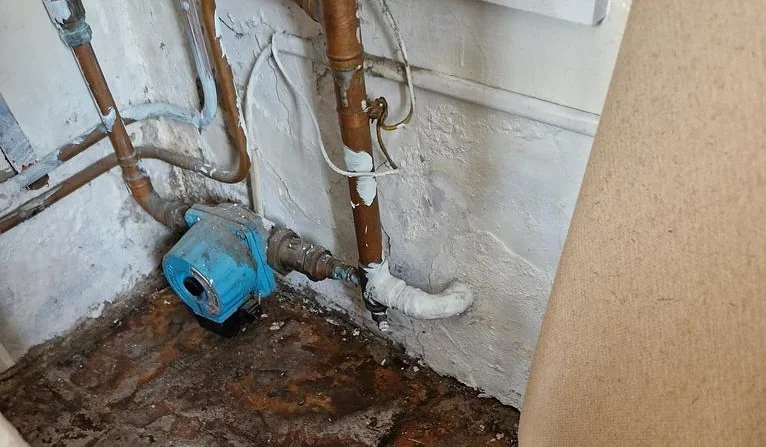
4. Your Water Pressure Has Dropped
A sudden drop in water pressure can be another sign of a hidden leak. If several fixtures are affected at once, or the pressure drops even when no one else is using water, there may be a problem in the pipework.
Low pressure can have several causes, including sediment build-up, faulty valves, ageing pipework, or a leak. The important thing is to look for patterns. If your shower, taps, and appliances are all weaker than normal, or the pressure changes suddenly from one day to the next, it is worth investigating.
For a broader look at pipework issues, see this guide to plumbing leak problems, causes, signs, and quick next steps.
Other Warning Signs to Watch For
The four signs above are the main ones to look for, but hidden leaks can also reveal themselves in other ways. You may notice musty smells, mould or mildew growth, swollen flooring, damp carpets, corrosion on exposed pipework, or higher humidity in certain rooms.
Mould is especially important to act on quickly. Damp conditions can affect indoor air quality and may cause problems for people with asthma, allergies, or other respiratory conditions. If a room smells musty or mould keeps returning after cleaning, moisture may still be entering the area.
For a fuller checklist, read our guide to the common signs of water leaks in both residential and commercial properties.
What to Do If You Suspect a Hidden Water Leak
If you think there may be a hidden water leak in your home, start with a few simple checks:
- Turn off all taps, appliances, and water-using fixtures, then check whether your water meter is still moving.
- Look for damp patches around bathrooms, kitchens, radiators, ceilings, floors, and external walls.
- Listen for running water when the property is quiet.
- Check under sinks and around visible pipework for drips, corrosion, or staining.
- Avoid cutting into walls, floors, or ceilings unless you know where the leak is.
Professional leak detection can help locate the source without unnecessary disruption. At PCLA, our leak detection service in Northern Ireland uses specialist equipment to trace hidden leaks accurately, helping you avoid guesswork and reduce repair damage.
Key Takeaways
Hidden water leaks in your home can lead to costly damage if they are left untreated. The four key signs to watch for are:
- A sudden increase in your water bill.
- Visible damp patches, stains, peeling paint, or bubbling plaster.
- Sounds of running water when everything is switched off.
- Reduced water pressure across one or more fixtures.
If you notice any of these warning signs, act quickly. The earlier a hidden leak is found, the easier it is to protect your property, reduce repair costs, and prevent moisture-related issues such as mould.
Worried about a hidden leak? Contact PCLA for professional leak detection in Northern Ireland and get clear answers before the damage spreads.