Fire & Smoke Damage Claims

Fire Damage Loss Assessor for House Fire and Smoke Damage Claims

Had a fire at home? Get an expert on your side before you settle the claim.

A fire leaves more than the damage you can see. Once the immediate danger has passed, you are facing soot and smoke through the house, water damage from putting the fire out, ruined belongings, and an insurance claim you never expected to make.

PCLA helps homeowners, landlords and businesses in Northern Ireland and Scotland prepare, evidence and negotiate fire damage insurance claims. We act for you, not the insurer, so the full extent of the damage is properly assessed and your claim is presented clearly from the start.

A short call will help you understand what to do next. No pressure. No obligation.
A fire claim is rarely just flame damage
1

Fire & structural damage

Walls, roof, floors, wiring and fixtures.
2

Smoke & soot damage

Travels far beyond the room where the fire started.
3

Water & extinguishing damage

Soaks floors, ceilings and contents in rooms that never saw flame.
★★★★★ 270+ five-star Google reviews
What’s Covered

What a Fire Damage Claim Covers

A fire claim is rarely just about flame damage. Most fire claims involve three separate types of damage, and a fair settlement needs to account for all of them:

Fire & structural damage

Damage to the building itself: walls, roof, floors, wiring and fixtures affected directly by the flames and heat.

Smoke & soot damage

Travels far beyond the room where the fire started and can affect contents, decoration, electronics and the fabric of the building.

Water & extinguishing damage

Caused by the fire service putting the fire out, which often soaks floors, ceilings and contents in rooms that never saw flame.

On top of the damage itself, your policy may cover contents, alternative accommodation while the home is repaired, and, for landlords, loss of rent. For a full explanation of what is and is not covered, how claims are assessed, the smoke and soot damage detail, and why some claims are rejected, see our fire damage claim guide. This page explains how PCLA handles the claim for you.

Buildings & contents

Repair and reinstatement of the structure, plus replacement of damaged belongings and furnishings.

Alternative accommodation

Somewhere to live while your home is repaired, if it cannot be lived in safely after the fire.

Loss of rent

Lost rental income while a let property is repaired and cannot be tenanted.
Assess · Evidence · Negotiate

How PCLA Helps With Your Fire Claim

Your insurer may appoint a loss adjuster to assess the claim on their behalf. A loss assessor works for you. Our role is to make sure the full scope of the fire, smoke and water damage is captured, properly costed and negotiated to a fair settlement.

1

Free initial claim review

Tell us what happened, what your insurer has said, and where the claim stands. We will give you an honest view of whether a loss assessor is likely to help.
2

Assess the claim

We inspect the property and review your policy. We identify the full extent of the fire, smoke, soot and water damage, including smoke residue inside cavities and ductwork, heat damage to wiring, and water damage below floors and behind walls.
3

Evidence the damage

We prepare the claim file your insurer needs to see. This includes photography, a detailed contents inventory, specialist reports, reinstatement costings and fire service references.
4

Negotiate the settlement

We deal with the insurer and their appointed loss adjuster on your behalf. We challenge under-scoped repairs, missing contents and reduced offers, and keep you updated throughout.
5

Settlement

Once settlement is agreed, you receive the funds and can move forward with repairs and reinstatement.
Real Outcomes

Real Fire Damage Claims We Have Handled

These are real outcomes from PCLA clients, shared with permission. Every claim is different, and results depend on policy wording, evidence and the extent of the damage.

Belfast
£32,000
Tenant cooking fire

A kitchen fire spread smoke and soot through the property. PCLA assessed the full scope of fire, smoke and contents damage and prepared the claim, securing a £32,000 settlement.

Enniskillen
£46,000
Landlord fire claim

A fire at a let property damaged the building and contents. PCLA handled the claim on the landlord’s behalf, covering reinstatement and loss of rent, and settled at £46,000.

Knightswood, Glasgow
£59,000
Total property loss

A severe fire left the property uninhabitable. PCLA managed a complex total-loss claim covering the building, contents and alternative accommodation, settling at £59,000.

Scotland · Commercial Fire Claim

Commercial fire claim settled after a market value dispute

The insurer disputed the value of the loss. PCLA challenged the assessment and negotiated a fair cash settlement for the business owner.
If you are in Scotland, see our dedicated page on fire damage claims in Scotland.
Who We Help

Support For Homeowners, Landlords and Businesses

Homeowners

If your home has been damaged by fire, we manage the claim so you can focus on your family. We make sure smoke and water damage is included alongside the fire damage, that your contents are fully accounted for, and that alternative accommodation is covered if your home cannot be lived in.

Landlords

Fire at a rental property brings extra complications: building and contents damage, loss of rent, and tenants who need rehousing. We handle the claim end to end and make sure your loss of rent and reinstatement costs are properly claimed.

Businesses

Commercial fire claims often involve disputed valuations, business interruption and complex reinstatement. We act for the business owner, challenge under-valued offers, and negotiate a settlement that reflects the true cost of getting you back to trading.
Why Claims Get Reduced

Why Fire Claims Get Undervalued

Fire damage is often more extensive than the first assessment suggests, and the parts that get missed are usually the most expensive.

Smoke and soot damage is underestimated

Smoke travels through a property and settles where you cannot see it: inside cavities, ductwork, electrics and soft furnishings. Soot is acidic and continues to damage surfaces and electronics over time.

Hidden and secondary damage

Heat can damage wiring and structural timbers that look intact. Water used to put the fire out can soak into floors, ceilings and contents in unaffected rooms and lead to mould if it is not dried properly.

Scope and matching disputes

Replacing fire-damaged flooring, kitchen units or decoration often raises matching issues with the rest of the property. These are common areas where insurers reduce a claim.

Underinsurance

If the sum insured does not reflect the true rebuild cost, insurers can apply the average clause and reduce the settlement proportionately. We check your position and present the claim to limit the impact where we can.
Before You Sign

Should You Accept the Insurer's Cash Offer?

After a fire, insurers often offer a cash settlement to close the claim quickly. A cash offer can be the right outcome, but only if it reflects the full cost of putting the property and your life back together.

Once you accept a settlement, it is hard to reopen the claim if further damage comes to light. Smoke, soot and water damage frequently surface weeks later, and a figure that looked reasonable at the time may not cover the real cost of reinstatement.

Before you accept any offer, speak to us. A short call costs nothing, and we will give you an honest view of whether the offer reflects the full scope of the damage.

A quick settlement can cost you later

Smoke and soot keep damaging surfaces and electronics over time. Water used to put the fire out can lead to mould weeks later. An offer made before the full picture is known often falls short of what reinstatement actually costs – and once accepted, it is hard to reopen.
Denied Claims

What If Your Fire Claim Is Denied?

Fire claims are denied more often than most homeowners expect. Common reasons include:
A denial is not always final. PCLA can review the policy wording, the insurer’s reasoning and the available evidence. Additional evidence or a different reading of the policy terms can overturn the decision. If your claim has been denied, speak to us before accepting the outcome.
When To Call

When to Call PCLA

You should speak to us if:
If you are not sure whether your claim is serious enough, call anyway. We will tell you honestly whether a loss assessor is likely to help.
Urgent – First Steps

What to Do First After a Fire

Once everyone is safe and the fire service has left:
1
Do not re-enter the property until you are told it is safe.
2
Contact your insurer to report the fire as soon as you can.
3
Take photos and videos of the damage before anything is moved or cleaned.
4
Keep the fire service report and any reference number.
5
Do not throw away damaged items until they have been recorded.
6
Speak to PCLA before agreeing the scope of repairs or accepting any offer.
Our fire damage claim guide covers the emergency steps and what is covered in more detail. Do not carry out permanent repairs before the insurer has had the opportunity to inspect. Work to make the property safe and secure is expected, but starting reinstatement before the claim is agreed can weaken your position.
Fees

No Win, No Fee

You only pay when the claim settles. The fee is confirmed in writing before we begin, and payment is made after you receive settlement funds from the insurer. No hidden fees. No upfront charge for the initial claim review.

Pay only on settlement
Free initial review
What Clients Say

Homeowners Trust PCLA With Their Fire Damage Claims

270+
five-star Google reviews
★★★★★
Rated by homeowners, landlords and businesses across NI and Scotland
25+
years’ claims experience
FAQs

Fire Damage Insurance Claims: FAQs

Does home insurance cover fire damage?

Most home insurance policies cover sudden and accidental fire damage to the building and contents, along with smoke and soot damage and the water damage caused by putting the fire out. Cover depends on your policy wording, the cause of the fire, how quickly it was reported and the evidence available. Our fire damage claim guide explains the detail.

Yes, smoke and soot damage is usually covered as part of a fire claim, including damage in rooms away from the fire itself. The challenge is making sure the full extent is assessed, because smoke and soot damage is often underestimated in the insurer’s first offer.

As early as possible. It is easier to protect your position before damaged items are cleared, cleaning begins, or a settlement is agreed.

The insurer’s loss adjuster reports to the insurer. A loss assessor acts for you. After a fire, where the damage is significant and spread across fire, smoke and water, having someone in your corner can make a material difference to the outcome.

It depends on the severity of the damage, the insurer’s process and whether the claim is disputed. Straightforward claims may settle in weeks. Complex claims involving total loss, business interruption or denied liability can take several months. Our role is to keep the claim moving. Read our guide on insurance claim timelines

Many policies include alternative accommodation cover if your home cannot be lived in safely after a fire. Insurers may offer a limited budget or accommodation that does not suit your family. We check your entitlement and make sure these costs are included in the claim where appropriate.

Yes. If the offer seems too low or does not reflect the full cost of repairs, replacement and reinstatement, we can review the scope, evidence and policy position before you accept.

No. No ethical claims company should guarantee an outcome. We can, however, make sure your claim is properly evidenced, costed and negotiated so the settlement reflects the true scope of the fire, smoke and water damage.

Yes. We review the insurer’s reasoning against the policy wording and available evidence. A denial is not always final, and additional evidence or a different reading of the policy terms can sometimes overturn the decision.

Get In Touch

Take the stress out of your fire damage insurance claim

You do not have to manage inspections, contents lists, insurer questions and settlement negotiations on top of recovering from a fire. PCLA helps homeowners, landlords and businesses prepare strong, evidence-led fire claims and move towards a fair settlement.

Request a Free Claim Review

Tell us what happened and we will call you back.
We will only use your details to contact you about your claim.

Related Articles

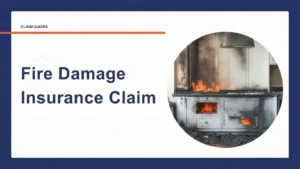
Fire and smoke damage to a property — fire damage insurance claim Northern Ireland and Scotland

Fire Damage Insurance Claim

A complete guide to fire and smoke damage insurance claims in Northern Ireland and Scotland. Covers immediate steps, what buildings and contents policies cover, why claims are rejected, and how to maximise your settlement.
What are the most common home insurance terms?

Home Insurance Terms Explained: Excess, Perils, and Policy Wording

Do you struggle to understand your home insurance policy? Don’t worry, you’re not the only one. Even though these documents are complex, they often contain standard terms that you will see throughout the document. Here’s everything you need to know about the most common home insurance terms in your policy.